|
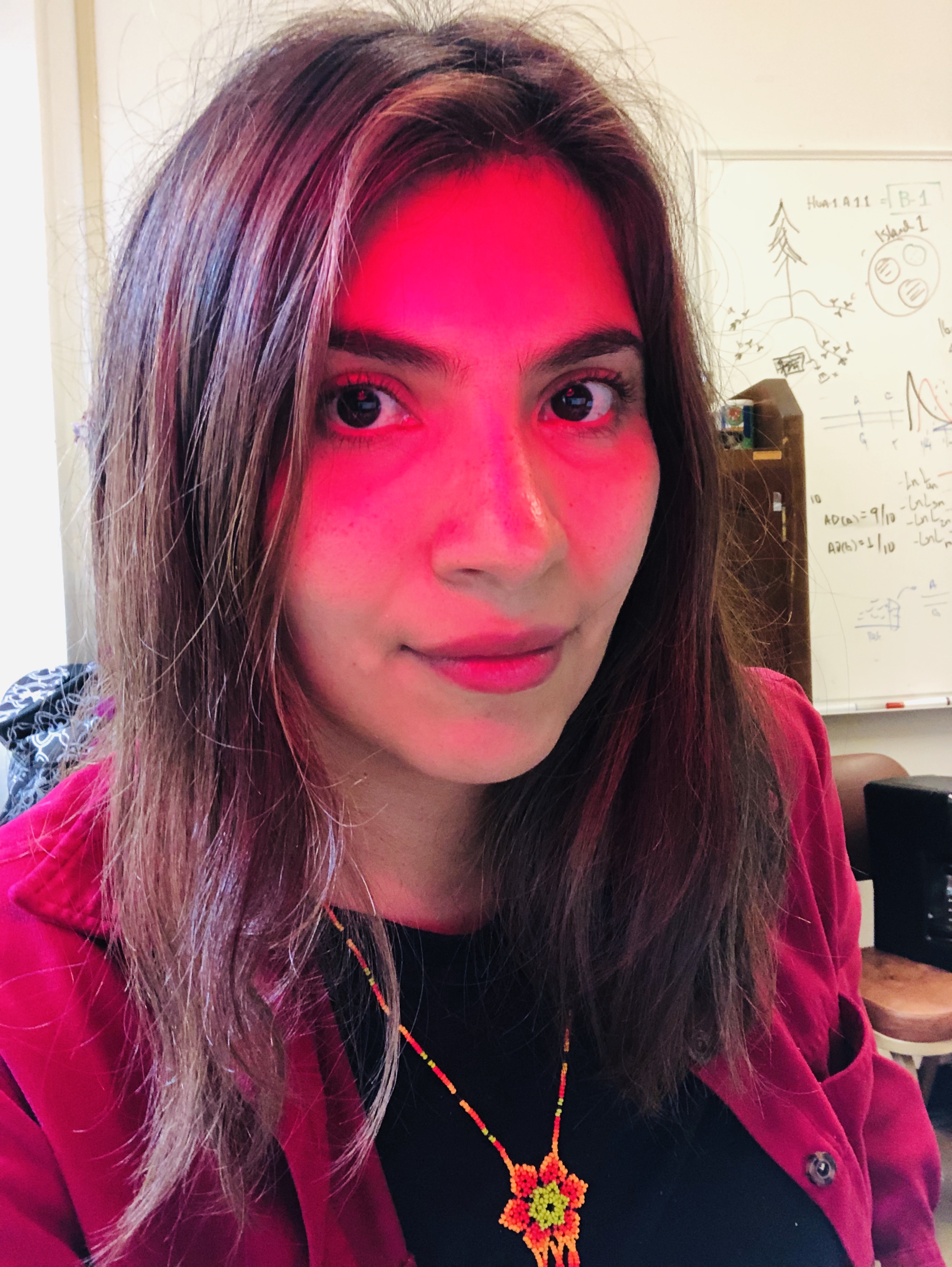
Dr. Carolina Piña Páez - Chair
Dr. Carolina Piña Páez is an evolutionary fungal biologist and mycologist who combines fieldwork and molecular tools to investigate fungal taxonomy, population genetics, and genomics across diverse systems ranging from ectomycorrhizal mutualists to human pathogens. After earning her PhD from Oregon State University in 2023 under the mentorship of the Spatafora Lab and completing a postdoc studying pathogen genomics in the Stajich Lab at the University of California, Riverside, she is transitioning to a Research Fellow position at the Bermuda Institute of Ocean Sciences (BIOS) this summer. A dedicated advocate for accessible science, Carolina frequently collaborates with international institutions to champion bilingual scientific outreach in both English and Spanish. |
|
|
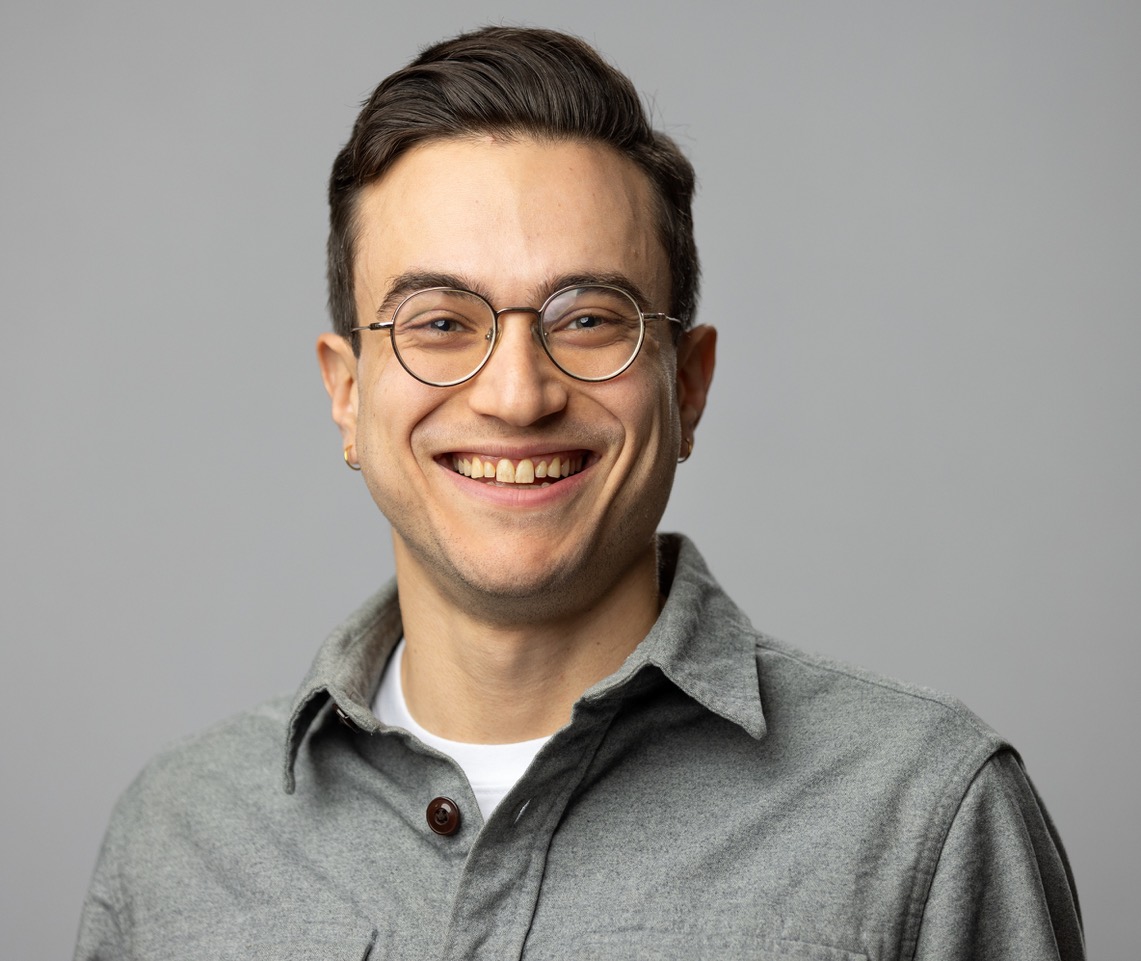
Dr. Emile Gluck-Thaler - Vice-Chair
Dr. Emile Gluck-Thaler. Fungi are my passion. From my early days working at the Mycoboutique to now running the Fungal Interactions Lab, I want to understand how fungi work so we can harness fungal opportunities and better manage fungal threats. One of the best parts of my job is mentoring students and postdocs. My mission as a mentor is to empower and inspire trainees to become life-long learners by building independence, confidence and curiosity. I received my PhD in 2019 from the Slot lab at the Ohio State University, and went on to postdoc at the University of Pennsylvania in the Wood lab and the University of Neuchatel in Switzerland in the Croll lab, where I was a Marie Sklodowska-Curie Fellow. I began my position in the Department of Plant Pathology at UW-Madison in 2023. |
|
|
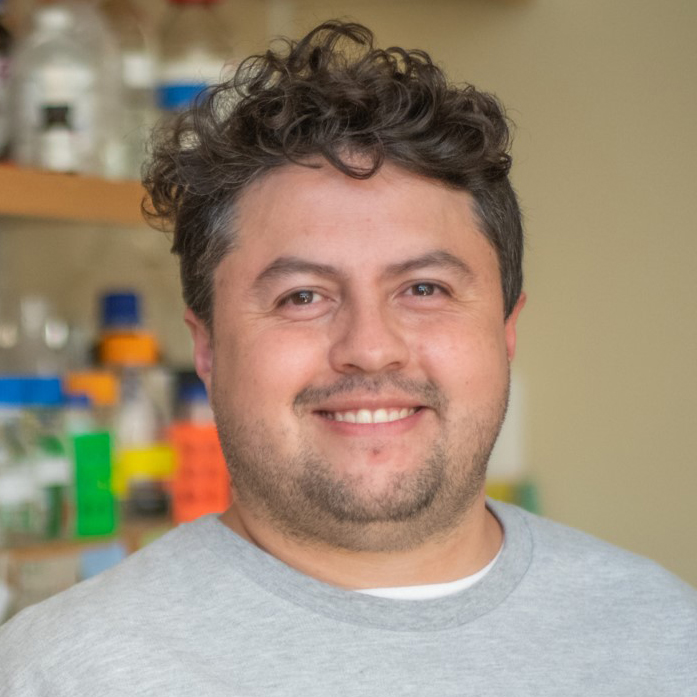
Dr. Javier F. Tabima R - DEI Co-Chair.
Dr. Tabima is an Assistant Professor of Genomics at the Department of Biology of Clark University. His lab is interested in identifying the patterns of genomic evolution of fungal species and populations, specially focused on the evolution, systematics, and the genomics of secondary metabolism of the genus Basidiobolus. He is also deeply active in recruitment and retention of underrepresented minorities in STEM, migrant inclusivity, social justice and racial equity. |
|
|
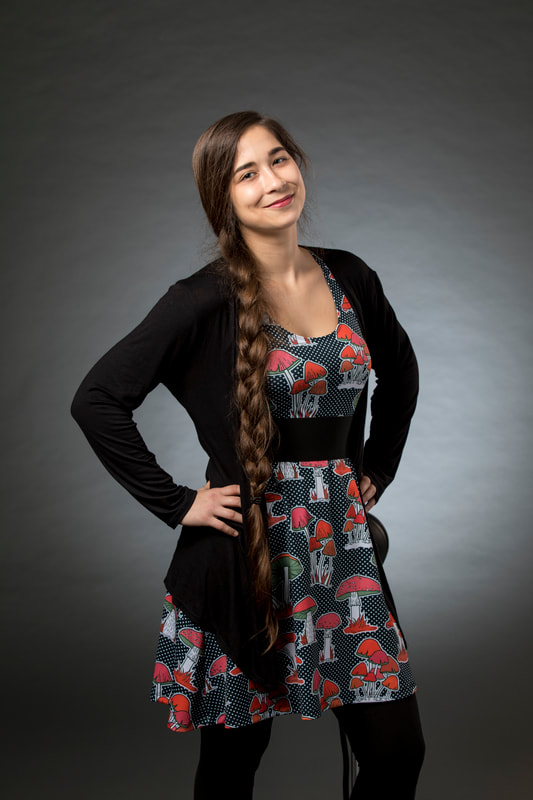
Dr. Korena Mafune - DEI Co-Chair
Dr. Korena Mafune is an ecosystem and soil ecologist whose research focuses on below-ground processes, plant-microbe interactions, and the agricultural applications of root-associated fungi and bacteria. After earning her MS and PhD from the University of Washington's School of Environmental and Forest Sciences—where her pioneering research explored nutrient dynamics in canopy soils—she was named a Washington Research Foundation Postdoctoral Fellow in the Winkler Lab. Beyond her research and extensive teaching experience, Korena is a passionate science communicator who collaborates with international and local organizations to broaden the participation of underrepresented communities in STEM. |
|
|
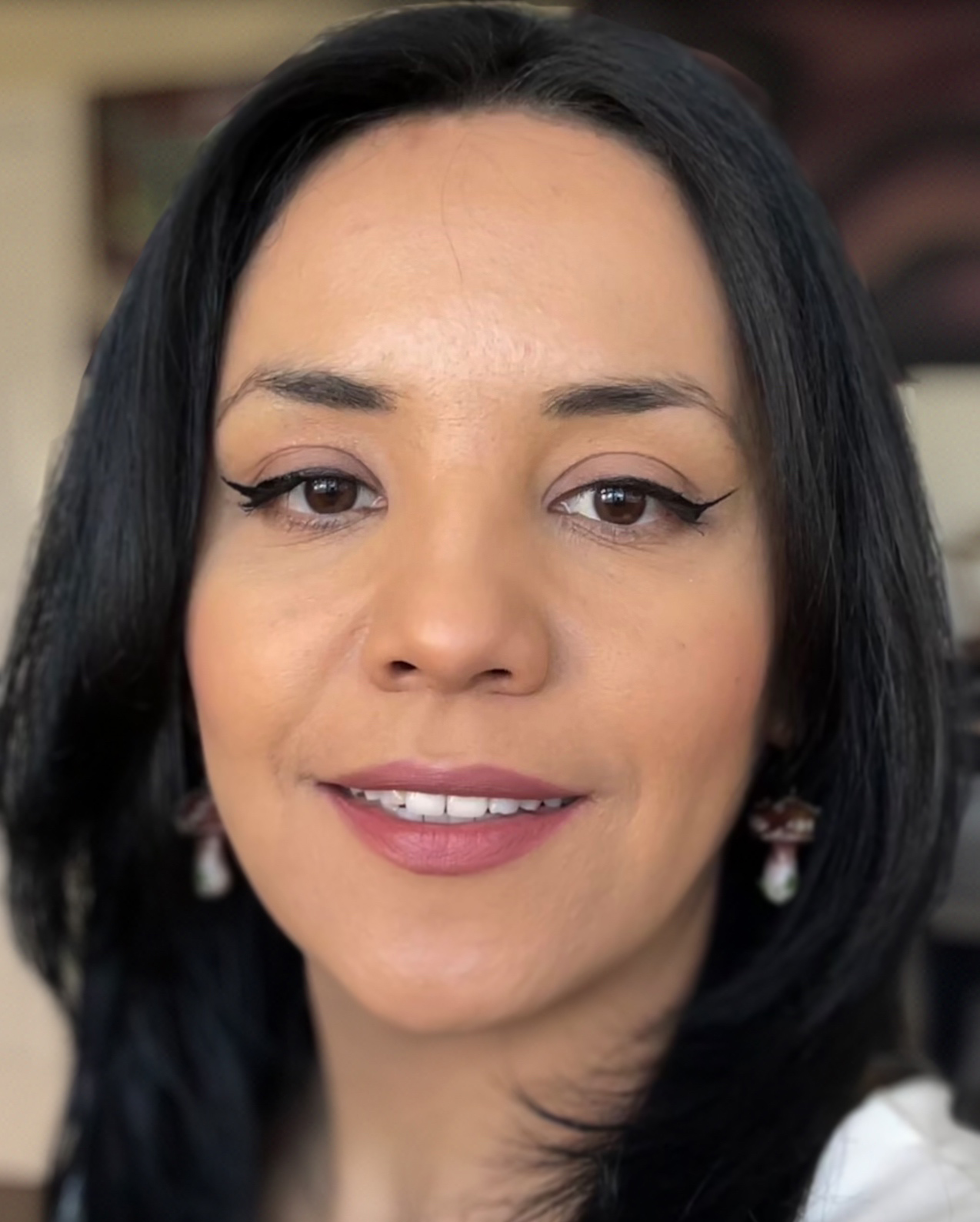
Fabiola Pulido-Chavez - Secretary
Fabiola is a Plant Pathology Ph.D. candidate at the University of California-Riverside, where she studies post-fire soil microbial successional and functional dynamics. She earned a Master of Science in Forestry at the University of Washington-Seattle, where she studied the ectomycorrhizal fungi of burned Ponderosa pine forest. Moreover, she earned a Bachelor of Science in Environmental Science from California State University-Fresno. She is also active in various committees within the Mycological Society of America (MSA), including the merchandise chair on the MSA-Student and Postdoc Section and the vice-chair for the Diversity, Equity, and Inclusion (DEI) section. |
|
|
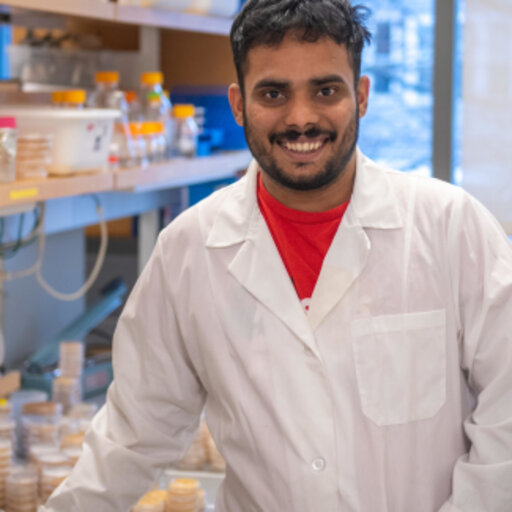
Prasanth Prakash Prabhu - SPORES Graduate Student Rep
Prasanth Prakash Prabhu is an evolutionary biologist and PhD candidate in the Hibbett Lab at Clark University. His research focuses on using advanced genomic tools to unravel how fungi interact with and adapt to the natural world. |
|
|
Christopher Bivins - SPORES Graduate Student Rep
Christopher Bivins is a mycologist with eight years of experience studying the ecology and biodiversity of California fungi, with a primary focus on the Sierra Nevada mountains. After completing his master’s degree at Fresno State with Dr. Alija Mujic investigating ectomycorrhizal symbioses with mycoheterotrophic plants, he became a PhD candidate at UC Merced, where he now studies complex ecological networks involving fungi, oaks, woodrats, and cynipid wasps. Throughout his fieldwork in the Sierra Nevada foothill region, Christopher has discovered multiple undescribed fungal species that he is currently working to taxonomically characterize and name. |
|
Contact Information
Contact us via E-mail